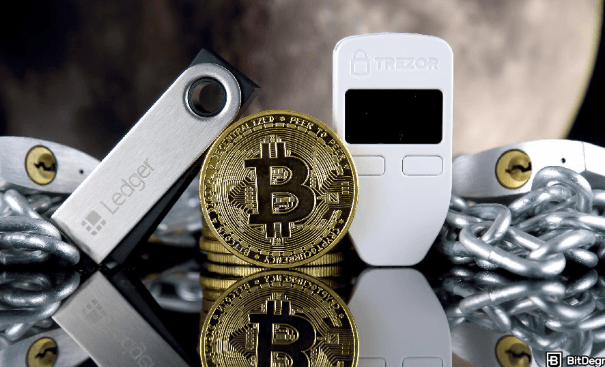
Maintaining crypto safety requires disciplined key management and strict access controls. Private keys should reside in isolated, hardware-backed storage, with authentication separated from storage and multi-factor protection. Devices must run updated firmware, minimize exposure, and be monitored for anomalies. Recovery procedures and encrypted, versioned backups are essential, with verifiable protocols in place. Vigilance against phishing depends on source verification and separate-device MFA. The balance between usability and security will hinge on disciplined practices and constant evaluation of risks.
What Makes Crypto Wallets Secure and Why It Matters
Crypto wallets are the gateway to digital assets, and their security hinges on the integrity of private keys and the robustness of storage and access controls. This topic analyzes foundational protections: secure storage and key management underpin resilience against loss, theft, and unauthorized access, while transparent governance and consistent credential handling reinforce trust, enabling autonomous ownership without compromising operational integrity.
Step-by-Step to Harden Your Wallets and Access
Effective wallet hardening requires a structured, methodical approach that minimizes exposure to compromise. The step-by-step guide emphasizes hardening wallet configurations, enabling multi-factor protection, and segregating access. Implement robust recovery protocols, test recovery drills, and document procedures. Maintain phishing awareness, verify URLs, and avoid credential reuse. Device hardening includes secure boot, updated firmware, and isolated environments; minimize surface area and monitor for anomalies. Freedom through disciplined security.
Spotting Phishing and Scam Attempts: Stay One Step Ahead
Phishing and scam attempts represent persistent threats that exploit trust and urgency; recognizing indicators early is essential for maintaining wallet integrity. The detached review identifies suspicious emails, links, or unsolicited prompts, and verifies sources before interaction. Stay vigilant about unexpected requests, forged domains, and coerced urgency. Practices include multi-factor authentication, separate device usage, and cautious credential sharing to preserve自由 and security. spotting phishing. stay vigilant.
Protecting Devices, Networks, and Backups for Long-Term Safety
A robust security posture requires a disciplined approach to safeguarding devices, networks, and backups over the long term.
The strategy emphasizes device integrity, enforcing trusted configurations and regular updates; network hygiene, monitoring traffic and isolating anomalies; backup strategies that are tested, encrypted, and versioned; and recovery procedures that restore operations swiftly with verifiable integrity, ensuring resilience without compromising personal freedom.
See also: Smart Systems for Environmental Protection
Conclusion
In summary, the ecosystem thrives on disciplined separation: private keys stay guarded within hardware or secure enclaves, while authentication lives elsewhere, protected by MFA and strict access controls. Continuous backup, verifiable recovery, and regular firmware updates form a resilient backbone. With phishing awareness and minimized attack surfaces, the system behaves like a fortress that breathes—stable, auditable, and adaptive. The key is relentless vigilance: lock, verify, and revisit every assumption as a routine, not a gamble.