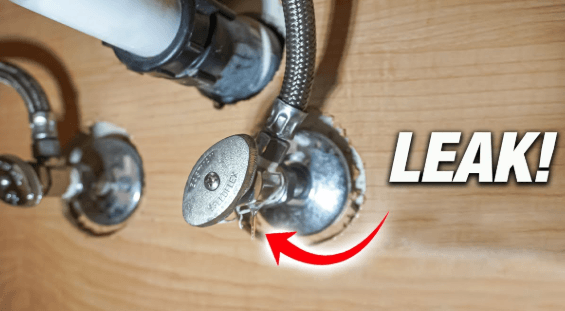
Leaking valves demand a clear plan and careful actions. First, locate the moisture source with a calm survey and mark likely spots. Then gather beginner-friendly tools and supplies, plus safety gear. Shut off the water, inspect for looseness, reseat washers, and tighten connections with steady, patient effort. If leaks persist or safety is a concern, consider a professional assessment that includes parts, warranty, and aftercare. The next step depends on what the initial checks reveal.
Identify the Source of the Leak Quickly
To identify the leak quickly, start with a visual survey of the area and trace moisture to its highest point.
The method emphasizes identifying leaks through observation, reducing guesswork.
Mark suspicious zones, then inspect valves for seepage, corrosion, or loose fittings.
Efficient valve maintenance hinges on early detection, minimizing damage, and preserving system integrity with precise, actionable steps.
Gather Safe, Beginner-Friendly Repair Tools and Supplies
Gathering the right tools and supplies matters as soon as the source of a leak is identified. A beginner-friendly kit includes basic wrenches, pliers, pipe wrench, Teflon tape, thread sealant, and replacement washers. Essential items also cover leak detection indicators and safety gear. Gather safety gear, gloves, goggles, and a flashlight to ensure controlled, confident work without compromising personal protection.
Step-by-Step Fixes You Can Try at Home
Many common leaks can be addressed with basic at-home steps, provided the area is safe and the water supply is shut off.
The guide outlines practical, repeatable fixes: inspect connections for looseness, reseat washers, and tighten fittings with appropriate tools.
Focus on leak detection during testing, and always emphasize tool safety to prevent accidents or further damage.
When to Call a Pro and What to Expect From Service
When leaks persist after basic at-home fixes, or when safety concerns arise, it is prudent to call a professional plumber.
A pro assesses defects, identifies hazards, and determines whether replacement parts or valve units are required.
Expect clear estimates, transparent timelines, and a written warranty.
Budget friendly alternatives may exist, but prioritize reliability, proper sizing, and long-term leak prevention.
See also: Smart Systems for Environmental Protection
Conclusion
Conclusion (75 words, third-person, detached):
A systematic approach helps homeowners quickly curb valve leaks while avoiding damage. In surveys, about one in five residential leaks stem from loose fittings, underscoring the value of tightening joints after shutting off water. Using a beginner-friendly kit with basic wrenches, tape, and washers typically resolves minor leaks. If leaks persist or safety is a concern, professionals offer tested diagnostics, parts, and a written warranty, ensuring durable repairs and peace of mind.